
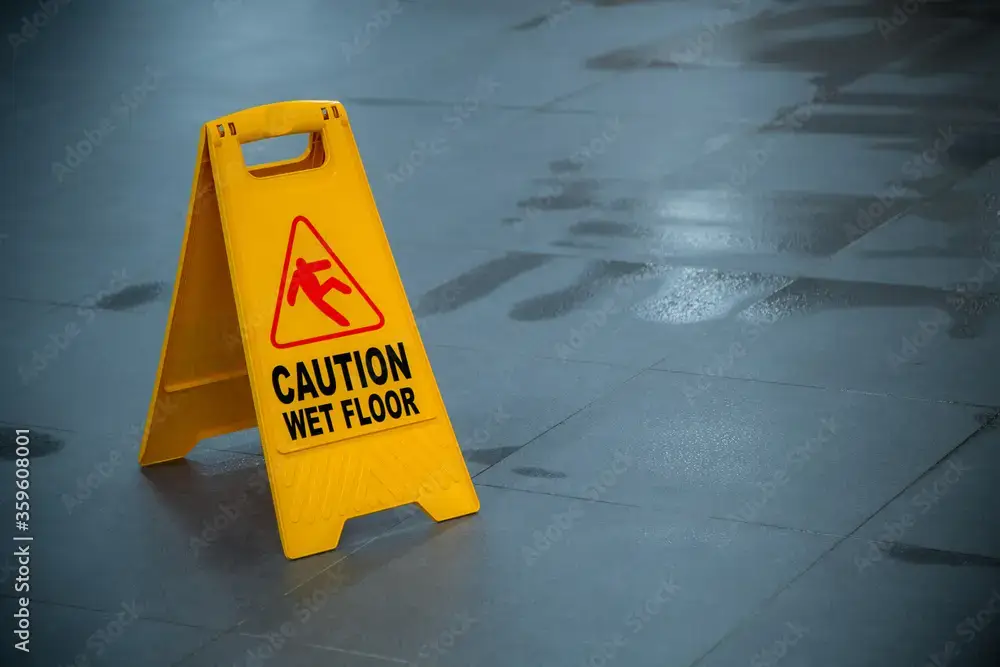
Slip and fall accidents can happen to anyone, at any age. If you are considering speaking to a lawyer after a fall, you are not alone, and you should never let the stigma of calling a law firm stop you from protecting your family from mounting medical bills and lost income.
Falling on someone else's property does not by itself win a case. Georgia requires proof the owner knew or should have known about the hazard, and most of that proof is gone in 30 days.
Do You Have a Georgia Slip and Fall Case?
A premises claim requires that you were lawfully on the property, a hazard existed, the owner knew or should have known about it, and you did not have equal knowledge of it. Work through these five questions:
If you know what caused the fall and you were hurt, call quickly. How long the hazard was there is something we investigate, but only while the evidence still exists.
Call (678) 935-6000How Liability Works in a Georgia Premises Case
Georgia law requires owners and occupiers to keep their premises safe for invited customers and guests under O.C.G.A. § 51-3-1. But the duty is not absolute, and the gap between owing a duty and being liable is where most cases are lost.
Someone told the business about the hazard, or an employee saw it and did nothing.
The hazard was there long enough that a reasonable inspection should have found it. This is why inspection and sweep logs matter more than almost any other document.
Georgia requires showing the owner had greater knowledge of the danger than you did. That is why an obvious puddle in good lighting is defended successfully, and a clear liquid on a light floor is not.
We tell clients plainly at the first meeting: these cases are winnable, but not automatic. The defense only has to create doubt about notice or argue you should have seen the hazard, which is why fall cases are won on documents gathered in the first month rather than arguments made a year later.
Who Actually Pays a Slip and Fall Claim
A commercial insurance policy, not an individual. Identifying the right company matters, because suing the wrong entity wastes time you may not have.
| Where you fell | Who is likely responsible |
|---|---|
| Inside a retail store or restaurant | The business operator's general liability policy. For a franchise, that may be the franchisee rather than the national brand. |
| A shopping center parking lot or sidewalk | Often the property owner or management company, not the individual store |
| An apartment complex common area | The owner and the management company, which typically carry separate coverage |
| A private residence | The homeowners or renters policy |
| Government property | The city, county, or state, with written notice required far sooner than two years |
What Drives the Value of a Fall Claim
Fall injuries are often more serious than people expect, and the strength of the notice evidence moves value as much as the injury does.
The Evidence That Decides a Fall Case, and How Fast It Goes
After a fall, companies go into self-preservation mode and take steps to minimize your chance of being compensated. An immediate investigation is what protects your rights.
| Evidence | What it proves | How long you have |
|---|---|---|
| Surveillance video | The fall, the hazard, and how long it was there | Often 30 days or less, and many systems overwrite sooner |
| Inspection and sweep logs | Whether required checks happened, the core of constructive notice | Business records that must be demanded before routine purge |
| The incident report | That the fall was reported, and what the business wrote down that day | Created at the time. Get a copy or photograph it. |
| Employee witnesses | Whether anyone knew about the hazard beforehand | Retail turnover is high. Witnesses leave within months. |
| Your footwear and clothing | Defeats the "your shoes caused it" defense | Bag them immediately and do not wear them again |
| Photos of the hazard | Its size, nature, and visibility | Minutes. It gets cleaned up right after you leave. |
| Prior incidents at the location | That the hazard was a known, recurring problem | Obtained in discovery, but only if suit is filed in time |
Most firms will not spend what it takes to get these records. We do.
"Our lawyers have handled hundreds of slip and fall cases, yet no two are the same. How you attack the insurance company's arguments depends on the specific facts of your fall."
R. Michael Coker
What the Store's Insurance Company Will Argue
Insurance companies will do and say anything to minimize payouts. An inexperienced or timid lawyer cannot tell when an insurer has a strong argument and when it is bluffing. Expect these:
The most common defense in Georgia, and it works when the condition was plainly visible. It fails against clear liquids, poor lighting, and hazards a reasonable shopper would not be scanning for.
The formal version of the same argument, aimed directly at Georgia's superior knowledge standard.
Which is exactly why sweep logs matter. If the log shows no inspection for two hours, this defense collapses.
Worn soles, heels, or flip-flops. Preserving your footwear is what answers it.
On your phone, looking at a display, or carrying bags. Aimed at pushing your fault toward the 50% bar, where the claim disappears entirely.
Insurance companies know which firms are willing to go to court. Hiring one without a reputation for trial victories can severely harm your chances of a fair settlement.
How a Slip and Fall Case Proceeds
If you just fell, do these five things. Report it to the manager so an incident report is created, but never sign anything; ask for a copy or photograph it. Photograph what caused the fall next to an everyday object like a coin or your shoe to show its size. Get medical care right away. Put your shoes and clothing in a bag. Then call a lawyer.
Your case will be handled by an experienced slip and fall lawyer, not a low-level employee. We want to be more than your legal representative. We want to be your lifelong lawyer.
Coker Accident Lawyers represents fall and premises injury victims across Gwinnett County and Barrow County, from offices in Lawrenceville, Mulberry, and Winder. Related: negligent security, dog bites, and Georgia personal injury claims.